

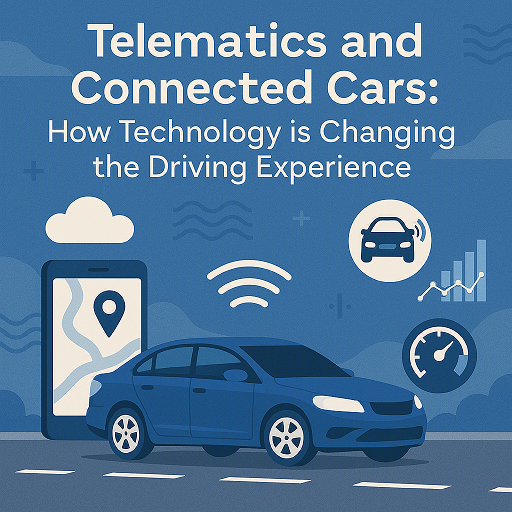
Telematics and Connected Cars: How Technology is Changing the Driving Experience
Posted at Mon, Aug 17, 2026 11:00 AM
In today’s fast-paced, tech-driven world, it’s no surprise that the automotive industry has embraced advanced technology to enhance the driving experience. From infotainment systems to driver-assist features, cars are becoming smarter, more connected, and more intuitive than ever before. At the heart of this transformation is telematics—the technology that enables vehicles to connect with the world around them.
But what exactly is telematics, and how is it revolutionizing the way we drive? In this blog post, we’ll dive into the world of telematics, explore the features of connected cars, and discuss how this technology is changing the driving experience.
1. What is Telematics?
Telematics refers to the integration of telecommunications and vehicle systems to allow for the collection, transmission, and sharing of data. In simple terms, it’s the technology that enables your car to "talk" to the outside world. This data includes everything from vehicle diagnostics and maintenance alerts to location tracking and driver behavior analysis.
Telematics systems are typically connected to a vehicle's infotainment system, GPS, sensors, and cloud-based platforms. Through this integration, telematics allows for real-time data exchange between the vehicle and external systems such as apps, service centers, or emergency responders.
2. Key Features of Connected Cars
Connected cars are vehicles equipped with telematics systems that enable them to interact with their environment, offering a host of features that make driving more convenient, safer, and enjoyable. Here are some of the key features of connected cars:
Vehicle Tracking and Navigation
One of the primary functions of telematics is GPS navigation. However, connected cars go beyond traditional navigation systems. Advanced features allow for real-time traffic updates, route optimization, and predictive navigation. If an accident or construction is detected ahead, your vehicle can reroute you in real-time to avoid delays. Additionally, telematics enables vehicle tracking, making it easier for owners to locate their car in case it’s lost or stolen.
Remote Vehicle Monitoring and Control
Connected cars often come with the ability to monitor your vehicle remotely through a smartphone app. This means you can check your car's battery status, fuel level, tire pressure, and other critical diagnostics from anywhere. Some systems even allow you to start or stop your vehicle remotely or adjust the climate control settings before you step inside, making it more comfortable when you’re ready to drive.
Driver Behavior and Safety Features
Telematics systems can collect data about your driving habits, such as speed, braking, and acceleration patterns. This information can be used to identify areas where a driver may be prone to unsafe behavior, such as hard braking or rapid acceleration, which can lead to accidents or wear on the vehicle. By providing feedback on driving habits, telematics can help improve driver safety.
Moreover, connected cars come equipped with advanced driver-assistance systems (ADAS) such as lane-keeping assist, adaptive cruise control, blind-spot monitoring, and automatic emergency braking. These features can help prevent accidents by alerting drivers to potential hazards or even taking corrective action when needed.
Infotainment and Connectivity
Telematics and connected cars offer seamless integration with smartphones, streaming services, and voice assistants. Whether it’s playing music, making calls, or sending text messages, drivers can control their connected devices through the vehicle’s infotainment system with minimal distraction.
Modern connected cars also allow you to stay in touch with your vehicle’s maintenance schedule. Telematics can notify you when it's time for an oil change, tire rotation, or if a potential issue is detected in your vehicle’s performance, allowing you to stay on top of maintenance without needing to visit the dealership.
3. Benefits of Telematics and Connected Cars
The integration of telematics into modern vehicles offers several benefits, not only for the driver but also for the broader automotive ecosystem. Let’s explore the top advantages:
Convenience
Telematics makes the driving experience more convenient by allowing drivers to remotely interact with their vehicle. Whether it’s pre-conditioning your car for a comfortable ride or checking fuel efficiency, telematics enhances the user experience by simplifying everyday tasks.
Improved Safety
With real-time data and connectivity, telematics can enhance safety both for drivers and for pedestrians. In addition to ADAS, connected cars can alert emergency responders in case of a crash, potentially saving valuable time in a crisis. Some systems can even automatically call for help or send your exact location to a service center, helping you get assistance when you need it most.
Better Fuel Efficiency and Cost Savings
Telematics systems can help optimize driving habits, reduce fuel consumption, and lower maintenance costs by identifying patterns that could be negatively impacting vehicle performance. By receiving alerts on needed maintenance or suggested improvements in driving behavior, car owners can save money in the long run.
Enhanced Vehicle Performance
Telematics allows for continuous monitoring of your car’s health, enabling you to identify issues early before they become major problems. Whether it’s monitoring engine health, tire pressure, or battery levels, this technology can extend the lifespan of your vehicle and improve its overall performance.
Fleet Management for Businesses
For businesses that operate fleets, telematics can provide powerful tools for managing multiple vehicles. By using telematics, companies can track vehicle locations, monitor fuel usage, and ensure that drivers are adhering to company policies and safety standards. This not only improves operational efficiency but also reduces costs and increases safety for fleet drivers.
4. Challenges and Concerns
While telematics and connected cars bring many benefits, there are also some challenges and concerns that come with this technology:
Privacy and Security
As connected cars collect and share data, there are concerns about privacy and data security. Sensitive information such as location history, driving patterns, and personal preferences can be vulnerable to hacking or unauthorized access. Automakers and tech companies are working to enhance security measures to protect drivers' privacy, but this remains an important issue to address.
Dependence on Technology
As vehicles become more connected, there is a growing reliance on technology to perform key functions. If telematics systems fail, it could leave drivers without important features like navigation or safety alerts. In rare cases, malfunctioning software could even impact the vehicle’s performance or safety systems.
Technology Accessibility
Not all drivers are comfortable with advanced technology, and some may feel overwhelmed by the array of features available in connected cars. Educating consumers about how to use these technologies and ensuring that systems are intuitive and user-friendly will be essential for wide adoption.
5. The Future of Telematics and Connected Cars
The world of telematics and connected cars is evolving at an incredible pace, and we can expect to see even more advanced features in the future. From autonomous driving to smart cities, the connected car ecosystem is expected to play a crucial role in shaping the future of transportation.
Here’s a glimpse of what we might see in the coming years:
- Enhanced AI Integration: Telematics systems will become smarter, with AI-powered systems that learn driver preferences and adapt accordingly.
- 5G Connectivity: With the arrival of 5G networks, connected cars will experience faster, more reliable communication with the outside world, enabling real-time updates and more precise navigation.
- Vehicle-to-Everything (V2X): Connected cars will communicate not only with other vehicles but also with traffic signals, roadways, and even pedestrians, creating a safer and more efficient driving environment.
Conclusion
Telematics and connected cars are revolutionizing the way we drive, offering a wealth of benefits that enhance safety, convenience, and vehicle performance. As this technology continues to evolve, we can expect an even more connected, efficient, and safer driving experience.
At Beach Automotive Group, we’re committed to staying ahead of the curve and bringing you the latest innovations in automotive technology. Whether you're exploring connected car options or simply curious about the future of driving, we’re here to help you navigate the world of telematics and connected vehicles.
Beach Automotive Group
Your Trusted Automotive Partner in Myrtle Beach
Ready to learn more about connected cars and how they can improve your driving experience? Contact Beach Automotive Group today to explore the latest technologies available in the vehicles of tomorrow!