

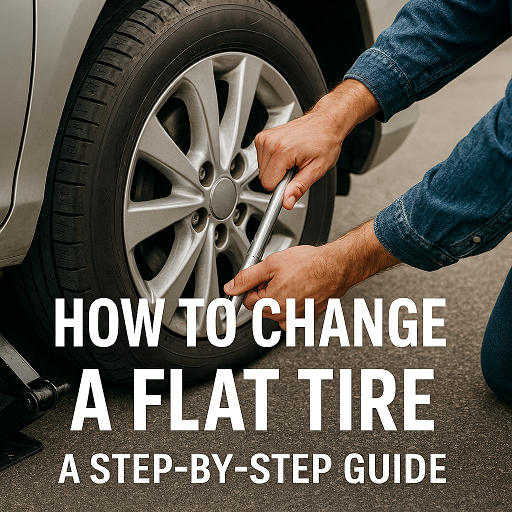
How to Change a Flat Tire: A Step-by-Step Guide
Posted at Mon, Jun 15, 2026 11:00 AM
By Beach Automotive Group
Getting a flat tire is one of those things we all hope doesn’t happen, but it’s good to be prepared just in case. Whether you're stuck on the side of the road or need to swap out a tire before heading on a long road trip, knowing how to change a flat tire can save you time and frustration.
At Beach Automotive Group, we want to make sure you're confident behind the wheel. Here’s a step-by-step guide to help you safely and efficiently change your flat tire. With these tips, you’ll be back on the road in no time!
What You’ll Need:
Before you get started, make sure you have the following tools in your vehicle:
- A spare tire (properly inflated and in good condition)
- A jack
- A lug wrench
- Wheel chocks (or a sturdy block of wood)
- A flashlight (if you're working in low-light conditions)
- A gloves (optional but helpful)
Step 1: Find a Safe Location
Your safety is the top priority! If you're on the road, look for a flat, stable surface away from traffic. Try to park on a safe shoulder or in a parking lot. Turn on your hazard lights to alert other drivers.
Beach Tip: Never change a tire on a busy highway or an incline. If possible, drive to a safer area first.
Step 2: Apply the Parking Brake and Place Wheel Chocks
Make sure your vehicle is in Park (or Neutral for manual transmission) and that the parking brake is engaged. To prevent your vehicle from rolling, place wheel chocks behind the tires that will remain on the ground.
Step 3: Loosen the Lug Nuts
Using your lug wrench, turn the lug nuts counterclockwise just enough to loosen them slightly (about a half-turn). Don’t fully remove them yet! You want to break the seal on the lug nuts before lifting the car.
Pro Tip: If the lug nuts are very tight, you can use your body weight to help. Stand on the wrench and push down carefully to loosen them.
Step 4: Lift the Vehicle
Position the jack under the vehicle’s jack point (usually indicated in your owner’s manual or on the side of the car near the wheel). Most vehicles have a small notch or flat area designed for the jack.
Beach Tip: Never place the jack directly under the axle or body of the car. Always follow the manufacturer's instructions for the correct placement.
Slowly raise the car using the jack until the flat tire is off the ground, but don’t lift it too high—just enough to remove and replace the tire.
Step 5: Remove the Flat Tire
Once the car is raised, finish loosening and removing the lug nuts. Keep them in a safe spot, as you’ll need them to secure the new tire. Carefully remove the flat tire by pulling it straight off the wheel hub.
Pro Tip: Place the flat tire under the vehicle as a backup in case the jack slips.
Step 6: Mount the Spare Tire
Line up the spare tire with the wheel hub and carefully slide it onto the hub. Make sure it’s seated properly and flush against the wheel.
Beach Tip: If your spare tire is a donut (compact spare), remember that it’s only meant for temporary use. Drive cautiously and get a full-size tire as soon as possible.
Step 7: Tighten the Lug Nuts
Before lowering the vehicle, start screwing the lug nuts back on by hand. Tighten them in a star pattern (across from one another) to ensure the tire is evenly secured. Once they’re hand-tight, lower the vehicle back to the ground slowly.
Step 8: Fully Tighten the Lug Nuts
Once the vehicle is fully back on the ground, use your lug wrench to tighten the lug nuts in a star pattern. Apply significant force to ensure they are securely fastened.
Beach Tip: If you’re unsure if the lug nuts are tight enough, you can use the “two-bolt method”—tighten them, then go around once more to double-check.
Step 9: Clean Up and Check the Pressure
Before you hit the road, make sure to remove the jack and wheel chocks. Check the spare tire pressure to ensure it’s adequately inflated. If you used a temporary spare, drive cautiously until you can replace it with a full-size tire.
Step 10: Take Your Flat Tire to the Shop
Now that you’ve changed your tire, head to Beach Automotive Group or your trusted repair shop to get the flat tire repaired or replaced. A professional can inspect the tire to determine if it can be fixed or if you need a new one.
When to Call for Help
If you're uncomfortable changing the tire yourself or if you’re in an unsafe situation, don’t hesitate to call for roadside assistance or a professional mechanic. At Beach Automotive Group, we offer assistance and can help you with tire-related issues.
Let Beach Automotive Group Keep You Rolling
If you find that you frequently have tire trouble or need a full tire inspection, stop by Beach Automotive Group for expert advice. We offer a wide range of tire services, from tire rotations and balancing to flat tire repairs and new tire installations. We’ll ensure that you have the best tires for your car and your driving needs.
Schedule Your Tire Service Today!
Don’t wait for another flat! Schedule your tire inspection or replacement today at Beach Automotive Group and keep your vehicle in top condition for the road ahead.