

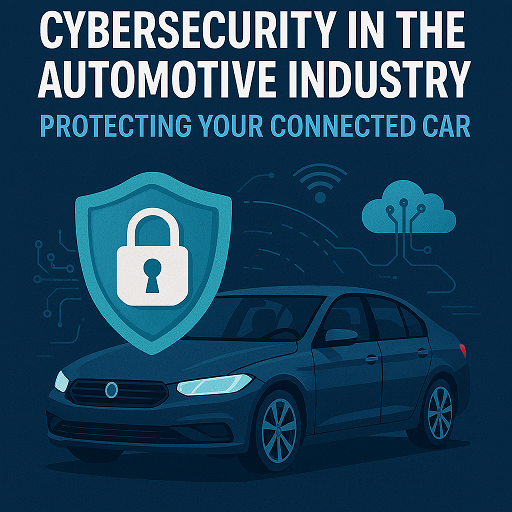
Cybersecurity in the Automotive Industry: Protecting Your Connected Car
Posted at Mon, Jun 1, 2026 11:00 AM
By Beach Automotive Group
As vehicles become increasingly connected to the internet and to each other, cybersecurity is becoming a top concern for both automakers and car owners alike. Just like any other piece of technology, your connected car can be vulnerable to cyber-attacks, which could potentially compromise your safety, privacy, and the integrity of your vehicle’s systems. At Beach Automotive Group, we’re committed to keeping you informed about the latest developments in automotive technology—and how you can protect your vehicle from cyber threats.
In this blog, we’ll explore the growing importance of cybersecurity in the automotive industry, the potential risks to your connected car, and practical steps you can take to ensure your vehicle remains secure.
The Rise of Connected Cars
Today’s vehicles are more than just modes of transportation—they’re smart systems with powerful technology embedded throughout. From infotainment systems and GPS navigation to autonomous driving features and vehicle-to-vehicle communication, cars are becoming increasingly connected, collecting and sharing data in real time.
Many vehicles now come with built-in features like Wi-Fi hotspots, Bluetooth connectivity, and smartphone integration (such as Apple CarPlay and Android Auto). These systems offer great convenience, allowing you to easily stay connected, access navigation, stream music, and even control vehicle settings remotely via mobile apps. However, the very same technology that enhances your driving experience also opens the door to potential vulnerabilities.
Cybersecurity Risks in Connected Vehicles
With great connectivity comes great responsibility—especially when it comes to protecting your vehicle from cyber threats. Here are some of the key risks associated with connected cars:
1. Remote Access and Control
Many connected vehicles now feature remote control capabilities. This allows owners to lock/unlock doors, start the car, check fuel levels, and more—all through a smartphone app. While this is incredibly convenient, it also opens up the possibility for hackers to gain remote access to your vehicle. If a hacker can exploit vulnerabilities in the app or its communication channels, they could gain control of your car’s functions, including unlocking doors or starting the engine.
2. Data Privacy and Theft
Modern vehicles collect vast amounts of data—ranging from location tracking and driving habits to personal information such as your calendar, contacts, and browsing history. If this data is not properly protected, it could be stolen or used maliciously. Cybercriminals could access sensitive information, potentially leading to identity theft or other privacy violations.
3. Autonomous Vehicle Systems
As the industry moves toward autonomous driving, the cybersecurity stakes become even higher. Autonomous vehicles rely on sophisticated software systems to interpret data from sensors, cameras, and radar to make driving decisions. If a hacker gains control of these systems, they could compromise the vehicle’s ability to safely navigate, potentially putting the driver, passengers, and others on the road at risk.
4. Vehicle-to-Vehicle (V2V) and Vehicle-to-Infrastructure (V2I) Communication
As part of the push toward smarter, more efficient transportation systems, many modern vehicles are designed to communicate with each other and with infrastructure elements like traffic lights, road sensors, and parking meters. This V2V (vehicle-to-vehicle) and V2I (vehicle-to-infrastructure) technology can enhance safety by enabling real-time traffic updates and collision avoidance, but it also opens up new avenues for potential cyber attacks. A hacker could potentially intercept or manipulate these communications to disrupt traffic flow or create dangerous situations on the road.
How Automakers Are Tackling Cybersecurity
Recognizing the growing cybersecurity threat, automakers are taking significant steps to secure connected vehicles and protect users from potential attacks. Some of the measures being implemented include:
1. Over-the-Air (OTA) Software Updates
Just like smartphones and computers, cars now receive over-the-air software updates that can fix vulnerabilities, improve performance, and enhance functionality. These updates help ensure that your vehicle’s software is always up-to-date, making it harder for hackers to exploit security weaknesses.
2. Encrypted Communications
To protect data as it’s transmitted between your car and other devices (like your smartphone or the cloud), automakers are using end-to-end encryption. This ensures that even if someone intercepts the data, they won’t be able to read or manipulate it.
3. Multi-Layered Security Systems
Automakers are incorporating multi-layered cybersecurity into their vehicles to ensure that a breach in one system doesn’t compromise the entire vehicle. For example, vehicles may have separate security layers for infotainment systems, driving systems, and communication channels. This reduces the risk of a single vulnerability allowing hackers full access to the vehicle’s critical systems.
4. Collaboration with Cybersecurity Experts
Many automakers are working with cybersecurity firms and experts to conduct regular security audits and identify potential vulnerabilities. This helps ensure that manufacturers stay ahead of the curve in identifying and addressing potential risks.
Steps You Can Take to Protect Your Connected Car
While automakers are taking steps to secure connected vehicles, there are also actions you can take to protect your car from cyber threats. Here are a few practical tips:
1. Keep Software and Apps Updated
Just like your smartphone or computer, your car’s software should be kept up-to-date. Be sure to install any available over-the-air updates to ensure your vehicle’s systems have the latest security patches. Similarly, if you’re using a mobile app to control or monitor your vehicle, make sure it’s updated regularly as well.
2. Use Strong, Unique Passwords
If your vehicle has remote access features, such as keyless entry or remote start, ensure that you’re using strong, unique passwords for your account. Avoid using easy-to-guess passwords or reusing passwords from other accounts. Consider enabling two-factor authentication (2FA) for an added layer of protection.
3. Limit Data Sharing
Be mindful of the data you share with your vehicle’s systems and apps. Many infotainment systems request access to your contacts, calendar, location, and more. While this can enhance the user experience, it’s important to understand what data is being collected and decide whether you need to share that information.
4. Disable Unused Features
If your car has features like Bluetooth or Wi-Fi hotspots, and you’re not actively using them, consider turning them off when not in use. These features can serve as entry points for hackers if left unchecked.
5. Monitor Your Car’s Behavior
If you notice anything unusual with your car’s performance—like unexpected behavior from the infotainment system or sudden disruptions in connectivity—make sure to have it checked by a professional. Unusual activity could indicate that your car’s systems have been compromised.
The Future of Automotive Cybersecurity
As the automotive industry continues to evolve, the focus on cybersecurity will only increase. As vehicles become more connected and autonomous, new technologies and strategies will be developed to mitigate risks and protect drivers. However, just like any form of technology, the best defense against cyber threats is vigilance.
At Beach Automotive Group, we’re dedicated to keeping you informed about the latest trends in the automotive industry, including developments in cybersecurity. As the world of connected cars continues to expand, we’re committed to ensuring that you have the information and tools you need to stay safe on the road.
Beach Automotive Group
Your Trusted Automotive Partner in Myrtle Beach
Ready to stay connected and secure? Visit Beach Automotive Group to explore the latest in connected car technology and cybersecurity best practices. Let’s keep you safe on the road, now and in the future.