

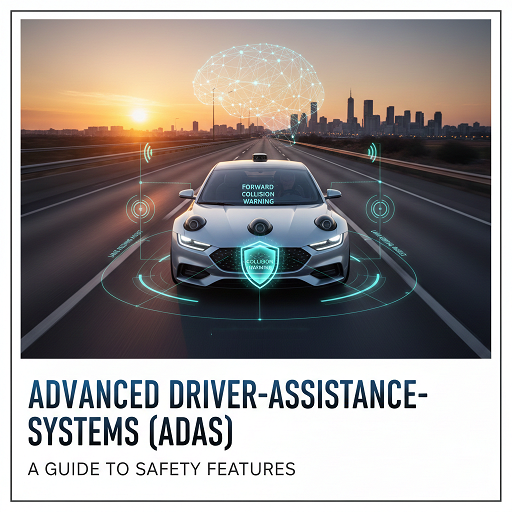
Advanced Driver-Assistance Systems (ADAS): A Guide to Safety Features
Posted at Mon, Feb 2, 2026 12:00 PM
Advanced Driver-Assistance Systems (ADAS): A Guide to Safety Features
By Beach Automotive Group
In today's world, safety is at the forefront of automotive innovation. One of the most significant advancements in vehicle safety technology is the development of Advanced Driver-Assistance Systems (ADAS). These systems leverage sensors, cameras, and sophisticated algorithms to help drivers navigate the road more safely, offering a range of features designed to prevent accidents, reduce collisions, and improve overall driving experiences.
At Beach Automotive Group, we’re excited to break down the most common ADAS features, how they work, and how they’re making driving safer for everyone on the road.
What Are Advanced Driver-Assistance Systems (ADAS)?
ADAS refers to a suite of technologies built into modern vehicles that assist drivers with driving tasks and enhance safety. These systems use sensors, radar, cameras, and artificial intelligence to monitor the vehicle’s surroundings and take corrective action if necessary.
ADAS systems are designed to supplement human drivers, not replace them. They provide assistance in certain situations but still require the driver to remain alert and in control of the vehicle. Some features are standard in many newer vehicles, while others are optional or available as part of safety packages.
Common ADAS Features and How They Work
ADAS incorporates a variety of features aimed at improving both safety and convenience. Here are some of the most common ADAS technologies you'll find in modern vehicles:
Lane Departure Warning (LDW)
How It Works: Lane Departure Warning systems use cameras to detect lane markings on the road. If the vehicle unintentionally drifts out of its lane without signaling, the system alerts the driver with visual, audible, or tactile warnings (like steering wheel vibrations).
Benefits: This feature is particularly useful on highways or in situations where the driver may become distracted or fatigued.
Lane Keeping Assist (LKA)
How It Works: Lane Keeping Assist takes Lane Departure Warning a step further. If the vehicle begins to drift out of its lane, the system automatically applies corrective steering to gently guide the car back into its lane.
Benefits: This feature adds an extra layer of safety, especially on long road trips, by preventing unintentional lane departures.
Adaptive Cruise Control (ACC)
How It Works: Adaptive Cruise Control is an upgraded version of traditional cruise control. Using radar and cameras, ACC maintains a set speed while also adjusting the speed based on the traffic ahead. If the vehicle detects slower traffic, it will automatically slow down and maintain a safe following distance. Once traffic clears, the car accelerates back to the preset speed.
Benefits: This feature reduces the need for constant speed adjustments on highways and long drives, leading to a more relaxed and safer driving experience.
Blind Spot Monitoring (BSM)
How It Works: Blind Spot Monitoring uses sensors or cameras to detect vehicles in your blind spots. If a vehicle enters your blind spot while you’re preparing to change lanes, the system will alert you with a visual or audible warning.
Benefits: Blind Spot Monitoring helps prevent side collisions, particularly when changing lanes on highways.
Forward Collision Warning (FCW) and Automatic Emergency Braking (AEB)
How It Works: Forward Collision Warning uses radar and cameras to detect potential collisions with vehicles, pedestrians, or obstacles in the path of the car. If a potential collision is detected, the system provides a warning to the driver. In cases where a collision is imminent, Automatic Emergency Braking steps in to apply the brakes automatically, reducing the severity of the impact or preventing a collision altogether.
Benefits: These features can help prevent accidents by giving the driver time to react or automatically intervening in an emergency.
Rear Cross-Traffic Alert (RCTA)
How It Works: Rear Cross-Traffic Alert uses sensors to detect vehicles approaching from the side while the driver is backing up. The system alerts the driver if a vehicle is approaching, reducing the risk of collisions when backing out of parking spaces.
Benefits: This is a valuable feature when backing out of busy parking lots or driveways where visibility may be limited.
Parking Assistance and Self-Parking Systems
How It Works: Parking Assistance uses sensors to detect parking spaces and help guide the vehicle into the spot. Some vehicles feature self-parking capabilities, where the car can park itself, with the driver only needing to monitor the process.
Benefits: This system is especially useful in tight parking spaces, helping to avoid minor fender benders and making parking easier for drivers of all experience levels.
The Benefits of ADAS Technology
ADAS technology offers several key benefits to both drivers and pedestrians, creating a safer driving environment for everyone on the road:
Improved Safety
ADAS systems are designed to minimize the risk of accidents and enhance safety. Features like automatic emergency braking and forward collision warning help drivers avoid crashes or mitigate their severity. Additionally, lane departure warnings and blind spot monitoring assist drivers in staying safe by preventing unintentional lane changes and collisions with unseen vehicles.
Reduced Driver Fatigue
Long commutes or road trips can lead to driver fatigue, which is a major cause of accidents. Features like adaptive cruise control and lane keeping assist can take some of the stress out of long drives by maintaining speed and staying centered in the lane, allowing the driver to relax and focus on the road.
Enhanced Convenience
ADAS doesn’t just make driving safer—it also makes it more convenient. Features like parking assistance and rear cross-traffic alert make parking in tight spaces or crowded lots easier and less stressful, helping to avoid dings and scratches.
Assistance for New or Inexperienced Drivers
For new or inexperienced drivers, ADAS can act as a valuable co-pilot, providing extra guidance and warnings to prevent mistakes and improve driving habits. It also gives parents peace of mind when their teenagers are behind the wheel.
Are ADAS Features Standard?
Many modern vehicles come equipped with basic ADAS features, such as lane departure warning, forward collision warning, and automatic emergency braking. However, some advanced features like adaptive cruise control, self-parking, and blind spot monitoring may only be available in higher trim levels or as part of optional safety packages.
When shopping for a new vehicle, it’s important to check the specifications and available options to see which ADAS features are included or offered as upgrades. At Beach Automotive Group, we can help you explore the available ADAS options for each model and guide you toward a vehicle that best meets your safety and driving preferences.
The Future of ADAS
The future of ADAS is bright, with advancements continually being made to enhance safety and driving experiences. In the coming years, we can expect to see even more intelligent and intuitive systems that take driving assistance to the next level.
For instance, vehicle-to-vehicle (V2V) and vehicle-to-infrastructure (V2I) communication systems are being developed, allowing cars to communicate with each other and the surrounding environment for enhanced safety and traffic flow. Additionally, the move toward fully autonomous vehicles will rely heavily on the continuous development of ADAS technology, with the eventual goal of reducing the need for human intervention entirely.
Technology Continues to Evolve
Advanced Driver-Assistance Systems (ADAS) are transforming the way we drive, offering a variety of safety features designed to prevent accidents, reduce collisions, and enhance the overall driving experience. As technology continues to evolve, these systems will only become more advanced, making driving safer and more convenient for everyone on the road.
At Beach Automotive Group, we are committed to helping you find a vehicle that fits your needs and provides you with the best available safety technology. Whether you’re interested in a new car equipped with ADAS features or you want to learn more about how these systems work, we’re here to guide you through your automotive journey.
Beach Automotive Group
Your Trusted Automotive Partner in M yrtle Beach
Ready to experience the latest in safety technology? Visit Beach Automotive Group today to explore our wide range of vehicles equipped with Advanced Driver-Assistance Systems and take your driving experience to the next level!